Pride Month Special: Is Thailand Safe for Queer People?
Last updated: 11 Jun 2026
80 Views
Is Thailand Safe for Queer People?
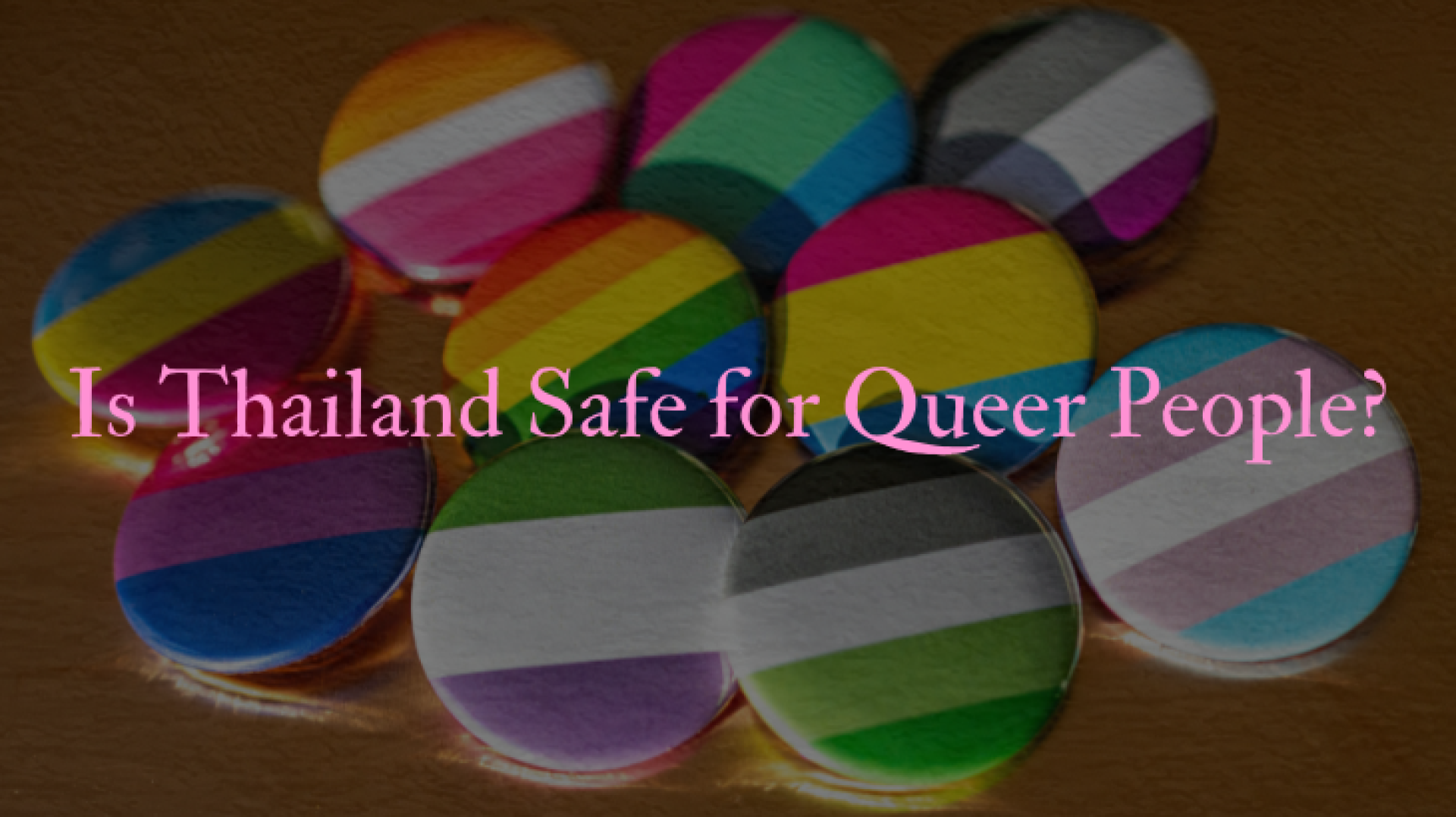
Since we have entered Pride Month, we must pay attention to the rights, safety, and visibility of queer people. The fight for queer rights has come a long way, but it is far from over. It cannot be denied that some countries oppose the existence and expression of LGBTQIA+ members through both cultural norms and legal restrictions, which raises the question, “Is this country safe for queer people?” This is the main concern for queer individuals when they plan to have a vacation abroad, queer individuals when planning a vacation abroad, especially for same-sex couples and those who express themselves boldly through makeup and fashion. To ensure a safe and enjoyable trip, they must consider whether their destination is truly welcoming. So, how about Thailand? Is it a safe place to visit?
As we all know, Thailand has long held a reputation as a queer-friendly destination, and it was portrayed and reinforced through popular media. There are some examples from K-Series, such as Cho Hyun-ju, a trans woman character from Squid Game 2 (2024), who mentions that if she were to win the game, she would come to Thailand for gender-affirming surgery, buy a house, and settle here. Similarly, Love in the Big City (2024) told the story of a gay couple on vacation in Thailand, where they feel comfortable expressing affection openly, such as holding hands in public, something they could not do freely in their home country. These portrayals reflect how Thailand is often perceived by citizens of other countries, especially those who came from a country where being queer is forbidden, as a safe space for queer individuals.
Looking at the real situation within Thailand, the country has made significant progress in terms of rights, safety, and visibility for the LGBTQIA+ community. First and foremost, Thailand is the first country in Southeast Asia to legalize same-sex marriage. The law was passed during the government of Prime Minister Srettha Thavisin and officially came into effect on January 23, 2025. In addition, Thailand’s large BL (Boys’ Love) and GL (Girls’ Love) entertainment industry has played a role in normalizing same-sex relationships in mainstream media, although it still faces criticism for sometimes lacking authentic representation. Moreover, Thailand has a visible presence of transgender celebrities and drag performers. While representation is still more prominent for trans women than trans men, transgender individuals continue to play a significant role in Thai media and entertainment.
Finally, we cannot claim that Thailand is perfect, nor guarantee that you will not have the experience of discrimination here. It is also important to acknowledge that no country is entirely free from discrimination because homophobia and transphobia exist worldwide, and Thailand is no exception. This reality underscores the fact that the global fight for queer rights is still ongoing. However, from these examples, we can see queer people have their rights, safety, and visibility to some extent in Thailand. They are legally recognized and increasingly represented in mainstream culture. In many urban and tourist areas, it is generally safe to express one’s identity, whether through fashion or public displays of affection. However, in smaller towns or less tourist-oriented areas, individuals with more expressive styles may attract curious or unfamiliar looks. This does not always stem from hostility or queerphobia, but rather from differences in social norms or limited exposure.
Since we have entered Pride Month, we must pay attention to the rights, safety, and visibility of queer people. The fight for queer rights has come a long way, but it is far from over. It cannot be denied that some countries oppose the existence and expression of LGBTQIA+ members through both cultural norms and legal restrictions, which raises the question, “Is this country safe for queer people?” This is the main concern for queer individuals when they plan to have a vacation abroad, queer individuals when planning a vacation abroad, especially for same-sex couples and those who express themselves boldly through makeup and fashion. To ensure a safe and enjoyable trip, they must consider whether their destination is truly welcoming. So, how about Thailand? Is it a safe place to visit?
As we all know, Thailand has long held a reputation as a queer-friendly destination, and it was portrayed and reinforced through popular media. There are some examples from K-Series, such as Cho Hyun-ju, a trans woman character from Squid Game 2 (2024), who mentions that if she were to win the game, she would come to Thailand for gender-affirming surgery, buy a house, and settle here. Similarly, Love in the Big City (2024) told the story of a gay couple on vacation in Thailand, where they feel comfortable expressing affection openly, such as holding hands in public, something they could not do freely in their home country. These portrayals reflect how Thailand is often perceived by citizens of other countries, especially those who came from a country where being queer is forbidden, as a safe space for queer individuals.
Looking at the real situation within Thailand, the country has made significant progress in terms of rights, safety, and visibility for the LGBTQIA+ community. First and foremost, Thailand is the first country in Southeast Asia to legalize same-sex marriage. The law was passed during the government of Prime Minister Srettha Thavisin and officially came into effect on January 23, 2025. In addition, Thailand’s large BL (Boys’ Love) and GL (Girls’ Love) entertainment industry has played a role in normalizing same-sex relationships in mainstream media, although it still faces criticism for sometimes lacking authentic representation. Moreover, Thailand has a visible presence of transgender celebrities and drag performers. While representation is still more prominent for trans women than trans men, transgender individuals continue to play a significant role in Thai media and entertainment.
Finally, we cannot claim that Thailand is perfect, nor guarantee that you will not have the experience of discrimination here. It is also important to acknowledge that no country is entirely free from discrimination because homophobia and transphobia exist worldwide, and Thailand is no exception. This reality underscores the fact that the global fight for queer rights is still ongoing. However, from these examples, we can see queer people have their rights, safety, and visibility to some extent in Thailand. They are legally recognized and increasingly represented in mainstream culture. In many urban and tourist areas, it is generally safe to express one’s identity, whether through fashion or public displays of affection. However, in smaller towns or less tourist-oriented areas, individuals with more expressive styles may attract curious or unfamiliar looks. This does not always stem from hostility or queerphobia, but rather from differences in social norms or limited exposure.
Related Content

Thailand is a heavenly destination for travelers around the world. This country has enchanted people from many backgrounds to fall in love with its vibrant culture, food, beaches, and temples. This guide aims to make your stay smoother and more enjoyable by offering practical local tips to help you make the most of your time in Thailand.
29 May 2026

When planning a trip to the Land of Smiles, you’re probably dreaming of pristine beaches, bustling markets, and golden temples. But one often-overlooked essential for your Thailand packing list? The right travel adapter.
19 Jan 2026

Chiang Mai, the cultural capital of northern Thailand, is a traveler’s dream with its ancient temples, lush mountains, and vibrant markets. But before you pack your bags, there’s an important factor to consider: air quality, particularly PM2.5 levels.
19 Jan 2026


